The problem an outfit generator solves
Most fashion stores sell items, but shoppers buy outfits. That gap is where carts die. A shopper likes a shirt, cannot picture what it goes with, hesitates, and leaves. An outfit generator closes the gap by presenting complete looks instead of isolated products.
The effect is quietly powerful. When a shopper sees a shirt already paired with trousers and a jacket, the decision changes from "do I want this one thing?" to "do I want this look?" Bigger baskets and fewer abandoned carts follow.
How an outfit generator works under the hood
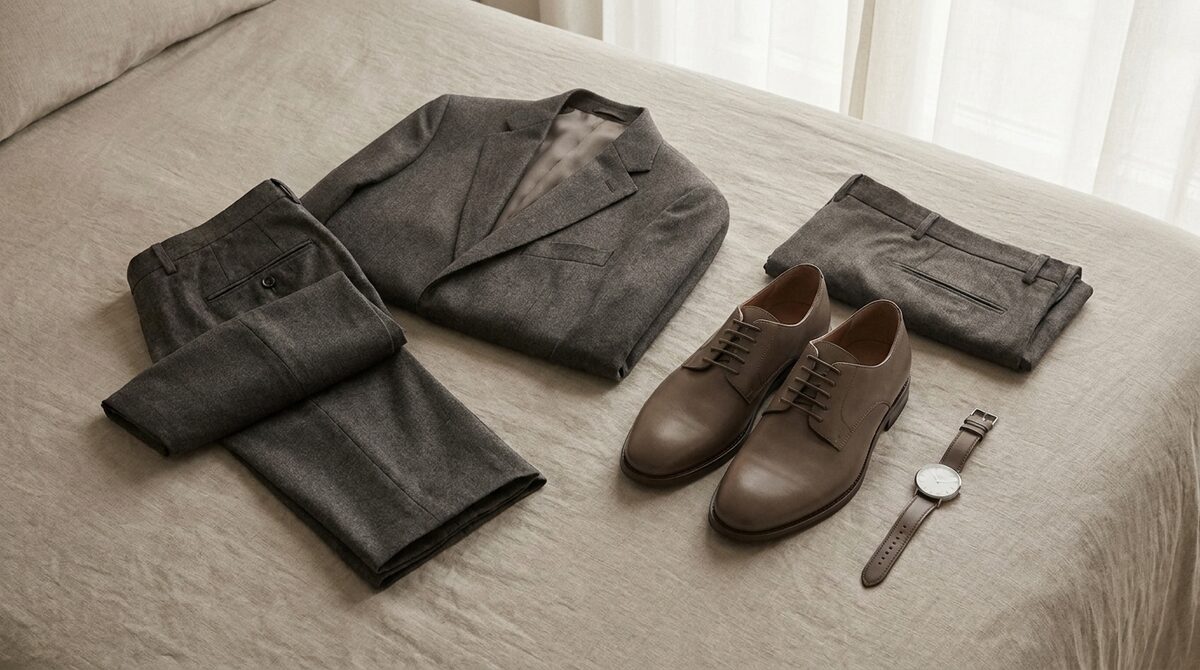
At the simplest level, an outfit generator matches items by category, color, and style so the pieces genuinely go together. Stronger systems learn from large libraries of real outfits, so pairings feel styled rather than random.
The retail-grade step is rendering. Instead of stopping at a flat-lay, tools like 1Match place the generated outfit on the shopper's own photo with strong image quality across hands, face, and body. Our explainer on how a virtual fitting room works walks through the visual pipeline.
Why an outfit generator lifts conversions
Two things happen when shoppers can see and build outfits. First, add-to-cart climbs, typically 18 to 28%, because the look feels achievable. Second, returns fall as fit surprises vanish, often 25 to 40%. Together those move both revenue and margin.
There is a data dividend too. Each outfit a shopper builds is a signal: which combinations convert, which sizes stall, which shoppers came back. An outfit generator wired for native lead capture turns that behaviour into first-party data and funnel analytics.
Outfit generators and the shift to complete-look shopping
Retail is moving from selling products to selling looks, and outfit generators are the engine of that shift. A shopper who sees a full outfit understands the item in context, which raises both the perceived value and the likelihood of buying more than one piece.
This changes how you merchandise. Instead of optimising individual product pages in isolation, you optimise combinations, which items pair well, which looks convert, which accessories complete a set. An outfit generator surfaces those patterns automatically as shoppers build looks.
The stores that win with this are the ones that treat the generator as a merchandising tool, not a toy. Review which generated looks drive the most add-to-carts, then feature them on collection pages and in email. The data your outfit generator produces is as valuable as the looks themselves.
Choosing an outfit generator for your store
Look for three things: it works from your existing photos, it renders on the shopper, and it keeps data safe. 1Match ticks all three with a zero-storage, GDPR-safe approach and no 3D. If you want to compare the field, our roundup of Shopify try-on apps is a good starting point.
Start small. Enable an outfit generator on one bestselling collection, measure the lift in ATC and the drop in returns, then expand. The setup is fast enough that testing costs you an afternoon, not a project.
Why an outfit generator has to work on mobile
The majority of fashion browsing now happens on a phone, often in short, impulsive sessions. An outfit generator that only shines on desktop misses where the demand actually is. Mobile performance is not a secondary concern, it is the main event.
On a small screen, the value of a generator is even higher, because scrolling through isolated products is tedious. A tool that assembles complete looks and shows them on the shopper saves the mobile browser real effort, which keeps them engaged instead of bouncing.
1Match is built to run in the mobile browser with no app download and no 3D, rendering looks quickly and cleanly on the shopper's own photo. That mobile-first design is a big part of why the add-to-cart lift shows up in real stores.
The bottom line on outfit generators
An outfit generator is most valuable when it lives where shoppers decide and renders looks on their own body, not on a stock model. That is the difference between a fun feature and a genuine conversion lever.
Because complete-look shopping raises both add-to-cart and average order value while cutting fit-driven returns, the tool tends to pay for itself quickly, especially once you start acting on the styling data it produces.
An outfit generator is really a conversion tool wearing a styling costume. 1Match brings it all together as a Shopify growth engine: virtual try-on that renders looks on the shopper with strong image quality, plus native lead capture, funnel analytics, and zero-storage, GDPR-safe processing, all live in about 10 minutes with no 3D or reshoot. Try 1Match on the Shopify App Store and turn browsing into buying.
Frequently asked questions
What does an outfit generator do?
An outfit generator assembles individual clothing items into complete, coordinated looks. The most useful versions for retail also render the finished outfit on the shopper, so the look is personal rather than an abstract flat-lay.
Who uses outfit generators?
Shoppers use them to decide what to wear and what to buy, while fashion retailers embed them to turn browsing into buying. On a store, an outfit generator increases average order value by nudging shoppers toward complete looks instead of single items.
Do outfit generators help sell more than one item?
Yes, that is a core strength. By presenting a top, bottom, and accessory as one cohesive outfit, generators encourage multi-item baskets. Pairing that with on-body try-on removes fit doubt and lifts add-to-cart.
Is an outfit generator hard to add to Shopify?
Not with the right tool. 1Match installs in about 10 minutes, works from your existing product photos, and needs no 3D or reshoot. It runs on your live catalog and captures leads as shoppers build looks.
 Install on Shopify