What people actually mean by an outfit app
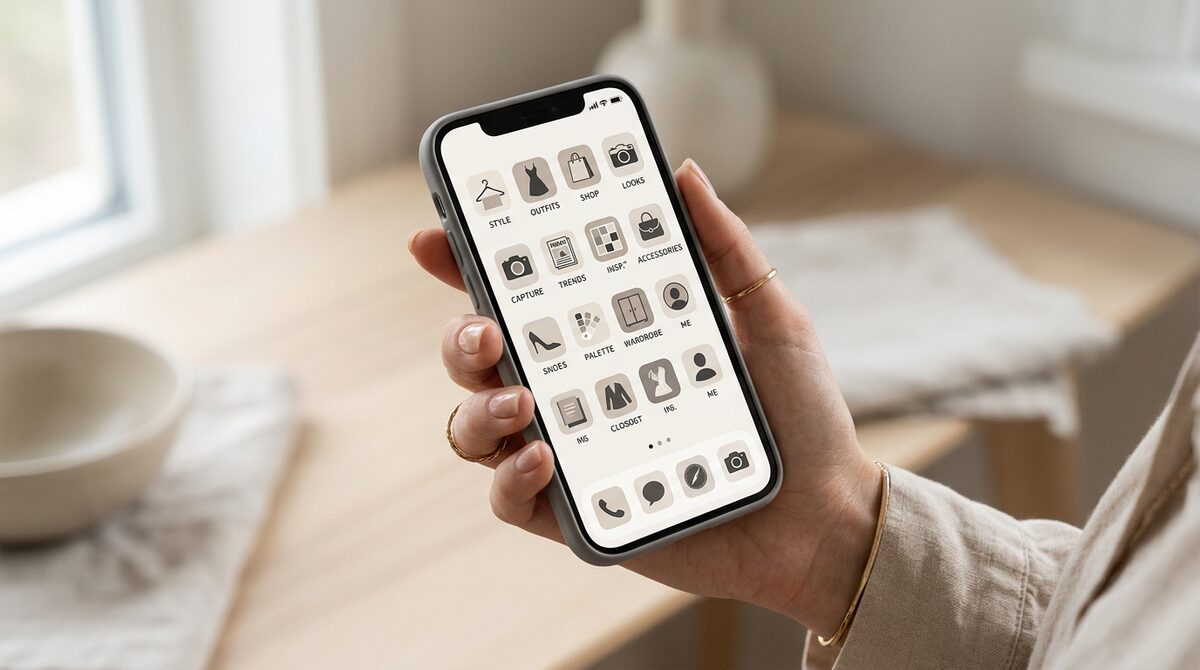
The phrase covers three different tools. Wardrobe apps digitize the clothes you already own so you can plan looks. Styling apps suggest combinations based on occasion or weather. And try-on apps let you see a specific outfit on your real body before you buy. Shoppers often start with the first two but convert with the third, because seeing beats imagining. For the merchant side of this — order value, leads, returns — see how an outfit builder works on a store.
For a fashion retailer, the outfit app that moves revenue is the try-on kind. It answers the one question that stalls a purchase: does this actually look right on me?
Why a virtual try-on outfit app converts best
Roughly seventy percent of apparel returns trace back to fit and appearance. A planning app cannot fix that, but a try-on outfit app can, because it lets a shopper preview the garment on their own photo. That single preview removes hesitation at the exact moment of intent, which is why try-on typically lifts add-to-cart by 18 to 28 percent and cuts returns by 25 to 40 percent.
Strong image quality is what makes the difference. A blurry or warped preview undermines trust; a sharp, realistic render builds it. 1Match renders from your existing product photos, so there is no reshoot and no 3D modeling required.
Outfit app features that matter for a store
1. Try-on from a single photo
Pros: One upload, an instant look, no scanning friction.
Cons: Quality varies widely between vendors.
Verdict: Prioritize image realism above every other feature.
2. Works from existing product images
Pros: No costly reshoot or 3D model per SKU.
Cons: Very low-resolution catalog images can limit results.
Verdict: Clean product photos are usually all you need.
3. Coverage beyond clothing
Pros: Hands, face and body means rings, glasses and hats also work.
Cons: Not every try-on tool covers accessories.
Verdict: Broader coverage means more categories monetized.
4. Lead capture and analytics
Pros: First-party leads and funnel data turn try-on into a growth engine.
Cons: Basic apps stop at the visual and capture nothing.
Verdict: Choose an app that feeds your marketing, not just the eye.
Outfit app types compared
| Type | Main job | Impact on sales |
|---|---|---|
| Wardrobe planner | Organize owned clothes | Indirect |
| Styling assistant | Suggest combinations | Low to medium |
| Virtual try-on | See outfit on your body | High |
Turning an outfit app into store growth
Adding a try-on outfit app is fast. With 1Match, setup takes about ten minutes because it uses your existing product photos, needs no 3D and no reshoot, and installs as a lightweight app block on product pages. To understand the mechanics, read our explainer on how an AI clothes changer works and the deeper complete guide to virtual try-on for a fashion store.
Because fit is the root of most returns, an outfit app that shows the real look pays back quickly. Our guide to reducing returns shows why that matters for margin.
An outfit app should do more than curate looks; it should sell them. 1Match is a virtual try-on app that converts hesitant shoppers, captures first-party leads at the point of intent, and feeds funnel analytics back to your team. It sets up in about ten minutes, works from your existing product photos with no 3D and no reshoot, covers hands, face and body, and keeps every shopper photo zero-storage and GDPR-safe.
Frequently asked questions
What is an outfit app?
An outfit app helps you plan, mix and preview clothing looks on a phone. Some organize a digital wardrobe, some suggest combinations, and the most useful ones let you see an outfit on your own body through virtual try-on. For a store, an outfit app usually means a try-on widget on product pages.
Can an outfit app show clothes on my own photo?
Yes. Virtual try-on outfit apps like 1Match take a single photo and render garments from existing product images onto your body with strong image quality. There is no 3D scan and no reshoot, so the look is realistic and ready in seconds rather than minutes.
Is an outfit app useful for a Shopify store?
Very. An outfit try-on app on your product pages removes fit and style doubt, which lifts add-to-cart and cuts returns. It also captures first-party leads and feeds funnel analytics, so it earns its place as a growth tool, not just a gimmick.
Are outfit apps free?
Many consumer outfit apps have free tiers with paid upgrades. For merchants, an outfit try-on app such as 1Match is typically free to install with usage-based pricing, so you can test the impact on conversion before you commit to a plan.
 Install on Shopify