
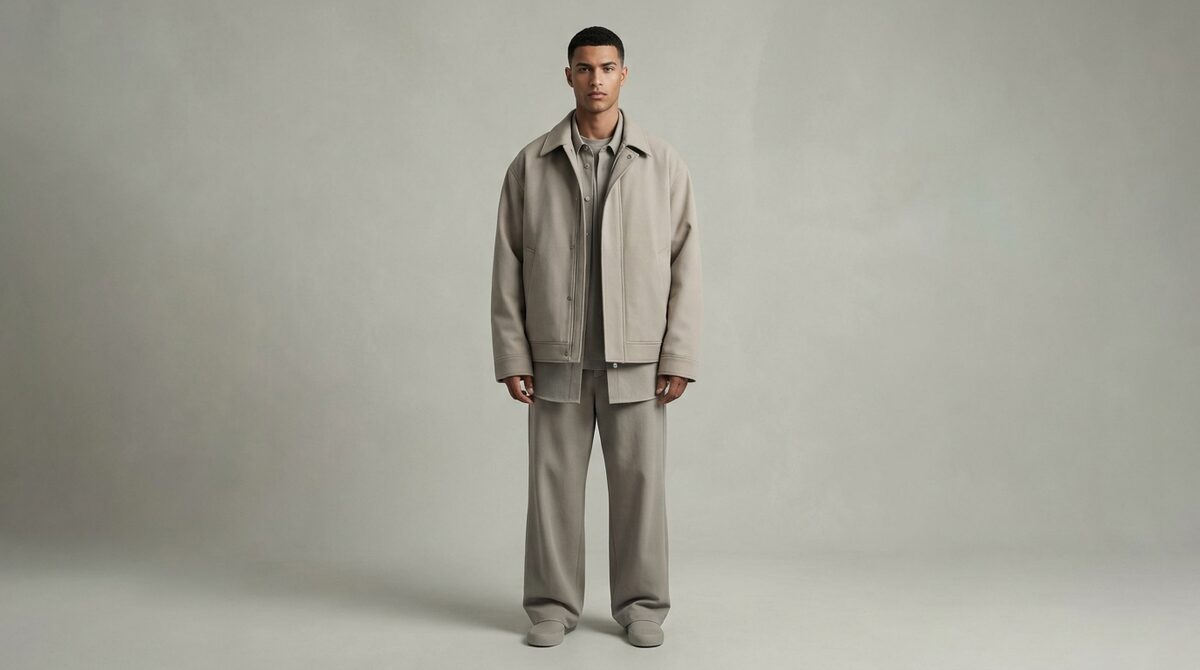
Sourcing models for product photography means casting, scheduling and paying day-rates for every shoot. AI model generation now produces diverse, realistic on-model images from your existing photos, and 1Match drives a growth engine on top: virtual try-on that captures first-party leads, feeds funnel analytics, and stays zero-storage / GDPR-safe.
Why models for product photography matter
For apparel, a garment on a body outsells a garment on a hanger every time. Models for product photography give shoppers scale, drape and styling context, and, crucially, a sense of whether the piece suits someone like them. That relatability is a direct conversion lever, which is why diversity of body type increasingly matters as much as photo quality. A shopper who sees their own shape represented buys with confidence; one who only sees an idealised frame hedges, or returns.
The friction of casting real models
Booking models for product photography involves agencies or platforms, negotiated rates, usage rights, scheduling and reshoots when something changes. Every additional body type multiplies that effort. For a Shopify store trying to represent a real range of customers, the traditional model pipeline gets slow and expensive fast, and the budget ceiling usually forces a compromise: one model, one look, and a lot of shoppers left to imagine the rest.
Real vs AI models
AI model tools render your garment onto realistic, varied models straight from existing product photos, with no 3D and no reshoot. You get instant coverage across ages, sizes and skin tones from a single source image. Real casting still wins for signature campaigns and brand storytelling, but for catalog volume the AI route is faster and far cheaper. Our explainer on how AI clothes changing works covers the how.
| Factor | Real models | AI models |
|---|---|---|
| Cost per body type | High | Low |
| Turnaround | Days to weeks | Minutes |
| Diversity coverage | Limited by budget | Broad, on demand |
| Best for | Campaign heroes | Catalog and variants |
Where try-on beats both
Even the best model is not the shopper. A virtual try-on lets customers see a garment on their own body, removing the fit uncertainty behind roughly 70 percent of apparel returns and delivering 25 to 40 percent fewer returns with an 18 to 28 percent add-to-cart lift. No amount of model diversity matches seeing the exact item on your own frame, which is why try-on is the natural next step after solving the imagery problem. See the numbers in this ROI breakdown of try-on technology.
The growth-engine layer
With 1Match, each try-on captures a first-party lead and feeds funnel analytics, so the imagery you invest in also builds an audience and a data trail. It is fashion-first, works across hands, face and body, installs in a 10-minute setup, and never retains shopper photos.
Bottom line: use AI to solve the models-for-product-photography bottleneck, then add try-on so your product page becomes a Shopify growth engine with native leads and funnel analytics. Start with 1Match.
Frequently asked questions
Where do you find models for product photography?
Traditionally you cast models for product photography through agencies, freelance platforms or local calls, then coordinate schedules, rates and usage rights. It is effective but slow and expensive at catalog scale. AI model generation is the modern alternative, producing diverse on-model images from your existing garment photos.
Are AI models good enough for product photography?
Yes for most catalog and variant work. AI now renders garments onto realistic models with accurate drape and strong image quality, and lets you cover many body types and poses instantly. High-stakes campaign hero shots are often still cast traditionally, with AI handling the long tail.
How many models do you need for product photography?
It depends on your range, but shoppers respond best when they can see a garment on a body similar to their own, which pushes brands toward multiple body types. AI makes that practical because you generate diverse models from one source image rather than booking several people for a shoot.
Do models for product photography reduce returns?
Clear on-model imagery sets fit expectations, and fit issues drive around 70 percent of apparel returns. The bigger reduction comes from letting shoppers try garments on their own body with a virtual try-on, which typically cuts returns by 25 to 40 percent while lifting add-to-cart.
 Install on Shopify