
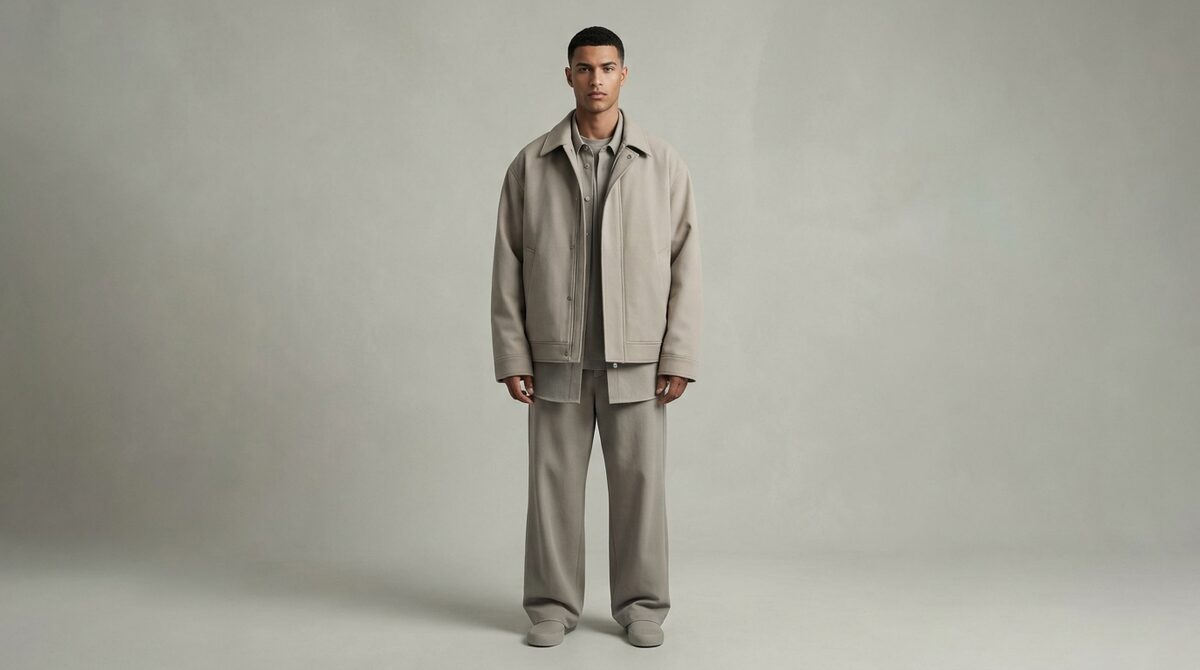
AI models for clothing brands slash photo budgets by rendering on-model imagery from existing photos in minutes. 1Match converts that speed into revenue: a virtual try-on that shows garments on each shopper's own body, drives native lead capture and funnel analytics, and keeps every photo zero-storage and GDPR-safe.
The business case for AI models for clothing brands
AI models for clothing brands exist to solve a budget and speed problem. A traditional shoot ties up a model, studio, stylist and photographer for every drop; AI renders on-model imagery from your existing product photos in minutes, with no reshoot and no 3D. For a growing catalog, that difference is the gap between publishing today and publishing next month.
Where brands deploy AI models
Most brands do not replace every shoot. They use AI for basics, restocks, size and color variants, and localized imagery, then reserve real photography for hero campaigns. This hybrid keeps the premium feel where customers notice it and cuts spend on the long tail of SKUs where they do not.
Multiple body types are another driver: showing the same dress on several builds without extra castings makes more of your audience feel represented. It also pairs naturally with a clothing-store Shopify stack built for conversion.
Choosing tools that fit a brand
1. Botika
Pros: Fast, approachable, good for small teams and quick catalog swaps.
Cons: Detail artifacts on complex garments.
Verdict: A practical starting point for lean brands.
2. FASHN
Pros: High fidelity and a scalable API for large catalogs.
Cons: Requires technical resources.
Verdict: Best for brands with engineering support and volume.
3. 1Match
Pros: Turns imagery into revenue with on-body try-on, native lead capture, funnel analytics, 10-minute setup, zero-storage GDPR-safe photos.
Cons: Focused on the storefront try-on rather than campaign art direction.
Verdict: The revenue-first layer every clothing brand should add on top of AI imagery.
The metric AI models alone will not move
AI catalog imagery improves how a brand looks, but it does little for fit, and fit or size drives roughly 70% of apparel returns. A synthetic model is aspirational, not personal. Until the shopper sees the garment on their own body, the biggest source of returns and hesitation stays untouched.
That is why the brands seeing real ROI pair AI imagery with try-on, as covered in our guide to try-on ROI and return rates.
Building an AI imagery workflow that lasts
Treat AI models as a production line, not a novelty. Define a house style, model range, background palette and framing, so imagery stays coherent across thousands of SKUs. Batch new arrivals, approve two or three frames each, and publish same-day. Reserve real shoots for campaigns, and keep originals as the color source of truth.
The brands that win measure the whole chain, not just the image cost. They track how imagery feeds browsing, how browsing feeds try-on, and how try-on feeds add-to-cart and returns. That is when AI stops being a line-item saving and becomes a lever on revenue.
The risk of generic imagery, and how to avoid it
The one real danger with AI models for clothing brands is sameness: if every store uses the same default looks and backgrounds, catalogs blur together. Avoid it by defining a distinctive house style, model range, palette, framing, poses, and by curating rather than publishing every frame. Your brand identity should be legible in the imagery even when the models are synthetic.
The other safeguard is to compete on something imagery cannot copy: personal fit confidence. A rival can generate similar model shots, but a try-on that shows your specific garments on your specific shopper's body, plus the first-party data that comes with it, is a durable advantage. Imagery gets you noticed; the try-on layer gets you the sale and the customer relationship.
Turning AI imagery into a Shopify growth engine
For clothing brands, the winning stack is AI models for catalog speed plus 1Match for conversion. As a virtual try-on Shopify app, it shows garments on each shopper's own body from your existing photos, captures first-party leads, feeds funnel analytics, and keeps every photo zero-storage and GDPR-safe. Fashion-first, no reshoot, live in about ten minutes across clothes and accessories, it converts the traffic your imagery earns, lifting add-to-cart 18-28% and cutting returns 25-40%. Install 1Match to make AI a growth engine, not just a cost cut.
Frequently asked questions
Why are clothing brands switching to AI models?
AI models remove the cost and delay of traditional shoots. Brands can render on-model imagery from existing product photos in minutes, refresh catalogs instantly, and show one item on multiple body types without extra castings, all at a fraction of studio cost.
Are AI models suitable for established brands, not just startups?
Yes. Established brands use AI for basics, restocks and localized imagery while reserving real shoots for campaigns. This hybrid keeps a premium look where it matters and cuts spend where it does not.
What is the ROI of AI models for a clothing brand?
Beyond per-image savings, the real return comes from faster time-to-publish and, when paired with try-on, fewer returns and higher add-to-cart. Returns tied to fit and size are the biggest apparel cost, and on-body try-on addresses them directly.
Do AI models create brand consistency issues?
Handled well, they improve consistency by standardizing pose, lighting and framing across your catalog. The risk is generic imagery, so brands should set clear model, background and styling guidelines and review outputs before publishing.
 Install on Shopify