
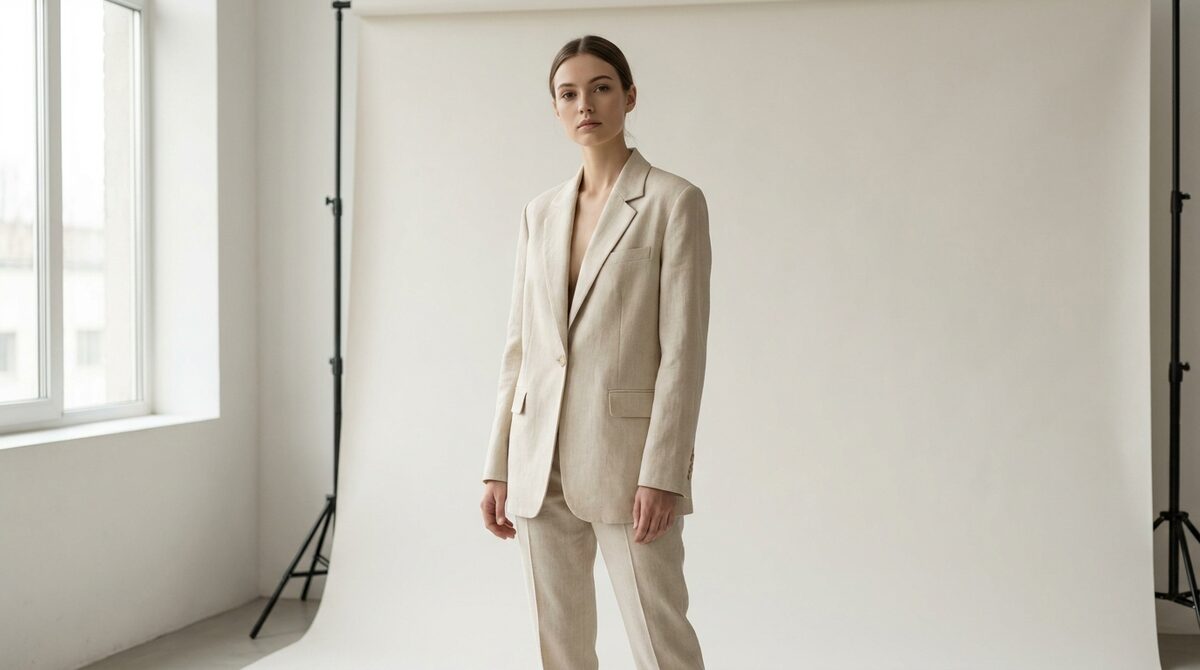
A virtual model displays your clothes on a realistic digital person, every size and colourway, with no studio or reshoot. Pair it with a virtual try-on and 1Match turns interest into a growth engine that captures first-party leads, feeds funnel analytics, and stays zero-storage / GDPR-safe.
What a virtual model is
A virtual model is a realistic, AI-generated human used to show garments without casting a real person. Your existing product photos are rendered onto the figure, with strong image quality, correct draping and no 3D. The result reads like a normal on-model photo, but you can spin up new body types, poses and backgrounds on demand, which is why the term now covers everything from catalog imagery to full digital brand ambassadors.
Why brands adopt virtual models
The economics are the draw. A virtual model removes studio rental, day-rates and reshoots, and it makes diversity practical: many body types and skin tones from one source image instead of many bookings. For catalog-heavy Shopify stores, that turns imagery from a scheduling bottleneck into an on-demand pipeline. It also removes the awkward compromise where budget forces one model to stand in for an entire, varied customer base. Our explainer on AI clothes changing covers the underlying tech.
Virtual model vs virtual try-on
These are often confused. A virtual model is for your marketing imagery; a virtual try-on is for the shopper. The virtual model shows your clothes on a generated person, while try-on shows them on the customer, which is the part that removes fit doubt at checkout. You want both, but they solve different problems, and confusing them leads stores to invest in beautiful imagery while leaving the actual fit question, the one that drives returns, unanswered.
| Virtual model | Virtual try-on | |
|---|---|---|
| Who wears the clothes | Generated person | The shopper |
| Main job | Marketing imagery | Fit confidence |
| Return impact | Indirect | 25 to 40% fewer |
| Lead capture | No | Yes (1Match) |
Where the revenue is
A virtual model improves the page, but conversion comes from removing fit uncertainty, the cause of roughly 70 percent of apparel returns. A virtual try-on does that directly, delivering 25 to 40 percent fewer returns and an 18 to 28 percent add-to-cart lift. The two work best in sequence: the virtual model earns the click, and the try-on earns the checkout. See our virtual fitting room explained guide.
The growth-engine layer
With 1Match, every try-on captures a first-party lead and feeds funnel analytics. It is fashion-first, covers hands, face and body, installs in a 10-minute setup, and never stores shopper photos.
Bottom line: use a virtual model to make imagery cheap and diverse, then add a try-on so your Shopify store becomes a growth engine with native leads and funnel analytics. Start with 1Match.
Frequently asked questions
What is a virtual model?
A virtual model is a realistic, digitally generated human used to display clothing without booking a real person or studio. Your existing garment photos are rendered onto the virtual model with accurate drape and strong image quality. It lets brands produce diverse on-model imagery instantly and at low cost.
How is a virtual model made?
Modern virtual models are generated by AI that maps garments from existing product photos onto a realistic figure, with no 3D modelling or reshoot required. You can vary body type, pose and background from a single source image. The output looks like a conventional on-model photo.
Is a virtual model the same as virtual try-on?
No. A virtual model creates marketing imagery of your clothes on a generated person, while virtual try-on lets a real shopper see clothes on their own body. Imagery builds interest; try-on builds confidence and reduces returns. Tools like 1Match focus on the shopper try-on side.
Do virtual models help sales?
Yes, indirectly through better imagery and directly when paired with try-on. Clear on-model imagery lifts conversion, and adding a virtual try-on that shows garments on the shopper typically reduces returns 25 to 40 percent and lifts add-to-cart 18 to 28 percent.
 Install on Shopify