
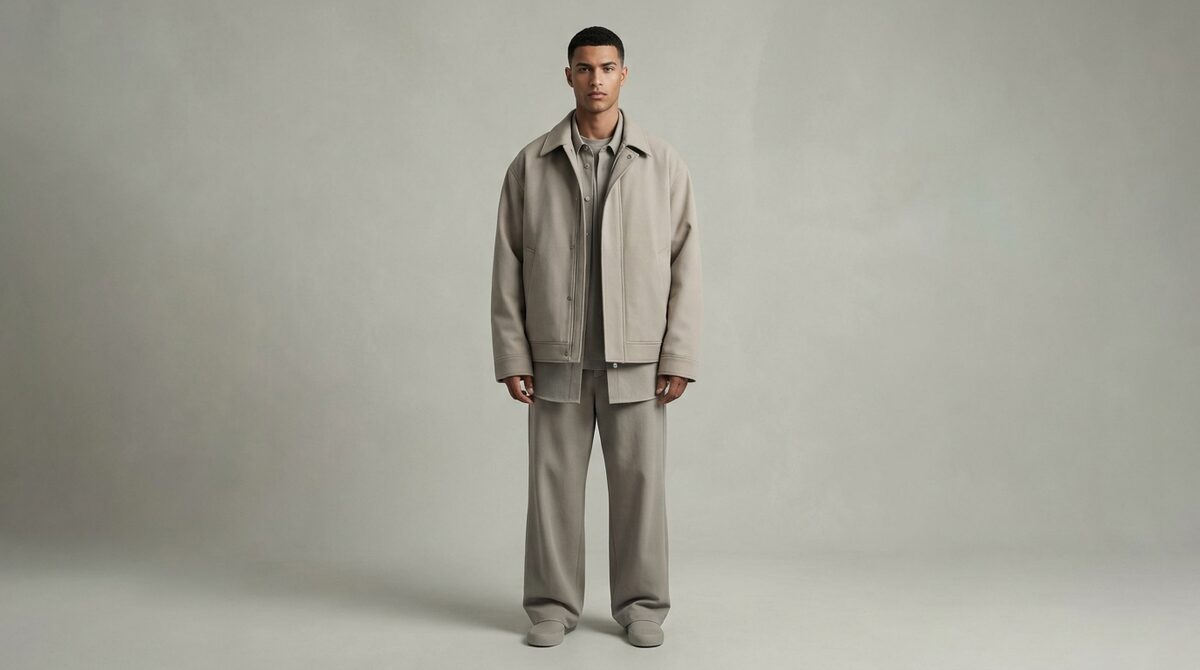
An AI fashion model renders your clothes on a realistic, generated person with no studio, casting or reshoot, so on-model imagery scales at near-zero marginal cost. Pair it with virtual try-on and 1Match converts the interest into a growth engine: try-on that captures first-party leads, feeds funnel analytics, and stays zero-storage / GDPR-safe.
What an AI fashion model actually is
An AI fashion model is a realistic, computer-generated human used to display garments. Instead of booking a person, you render your existing product photos onto the model, with correct draping and strong image quality, no 3D required. The appeal is obvious: diverse models, unlimited poses and instant colourway coverage without the studio treadmill. Just as important, an AI fashion model never has a scheduling conflict, never needs a reshoot, and never sends an invoice for the next variation.
Top AI fashion model tools
1. Botika
A Shopify-friendly AI fashion model tool that swaps mannequin or real-model shots for AI models.
Pros: Easy catalog workflow, good variety of AI models, ecommerce focus.
Cons: Output is marketing imagery only, not shopper try-on; results vary by source photo quality.
Verdict: Strong pick for generating on-model product images at scale.
2. FASHN
An AI try-on and model-generation tool aimed at fashion catalogs.
Pros: Realistic garment rendering, developer-friendly, flexible.
Cons: More of a building block than a turnkey storefront widget for some setups.
Verdict: Good for teams that want control over the pipeline.
3. ZMO.ai
Generates AI models and backgrounds for ecommerce product imagery.
Pros: Diverse models, background generation, quick output.
Cons: Focused on imagery, not on-body shopper try-on or lead capture.
Verdict: Useful for filling out a catalog with varied on-model looks.
4. 1Match
A virtual try-on Shopify app that shows garments on the shopper and captures leads.
Pros: Shopper-facing try-on, native lead capture, funnel analytics, zero-storage, 10-minute setup, works across hands, face and body.
Cons: Focused on conversion and try-on rather than generating standalone marketing model imagery.
Verdict: The conversion layer that turns AI-model interest into sales and data.
| Tool | Main job | Shopper try-on | Lead capture |
|---|---|---|---|
| Botika | AI model imagery | No | No |
| FASHN | Try-on / rendering | Partial | No |
| ZMO.ai | AI model imagery | No | No |
| 1Match | Virtual try-on | Yes | Yes |
Imagery vs conversion
An AI fashion model solves imagery. It does not, by itself, remove the fit uncertainty behind roughly 70 percent of apparel returns. That is the job of a virtual try-on, which shows the garment on the shopper and typically delivers 25 to 40 percent fewer returns with an 18 to 28 percent add-to-cart lift. The smartest stores run both: an AI fashion model to make the page look expensive, and try-on to make the checkout convert. Compare approaches in our best virtual try-on apps for Shopify fashion roundup.
The growth-engine angle
With 1Match, every try-on captures a first-party lead and feeds funnel analytics, all zero-storage and GDPR-safe. Use an AI fashion model to make the imagery, and a try-on to make the sale. Our AI clothes changer explainer connects the two.
Bottom line: an AI fashion model is a brilliant cost-cutter for imagery, but conversion is where revenue lives. Add a Shopify growth engine with native leads and funnel analytics using 1Match.
Frequently asked questions
What is an AI fashion model?
An AI fashion model is a computer-generated but realistic human image used to display clothing without booking a real model or studio. Modern tools render your existing garment photos onto the AI model with accurate drape and strong image quality. It lets brands produce diverse on-model imagery at catalog scale and near-zero marginal cost.
Are AI fashion models legal to use commercially?
Generated AI models that do not depict a real, identifiable person are generally usable commercially, but you should always check each tool licence and your local advertising rules. Avoid implying a real person endorses your product. Reputable AI fashion model tools grant commercial usage rights for the images you generate.
Can an AI fashion model replace a real photoshoot?
For catalog and variant work, largely yes: AI covers many body types, poses and backgrounds instantly from existing photos. For signature brand campaigns, many labels still shoot live for storytelling. The common pattern is a small live shoot plus AI for the long tail.
How is an AI fashion model different from virtual try-on?
An AI fashion model creates marketing imagery of your clothes on a generated person, while virtual try-on lets a shopper see clothes on their own body. Imagery drives interest; try-on drives confidence and cuts returns. Tools like 1Match focus on the try-on side and add lead capture and funnel analytics.
 Install on Shopify