
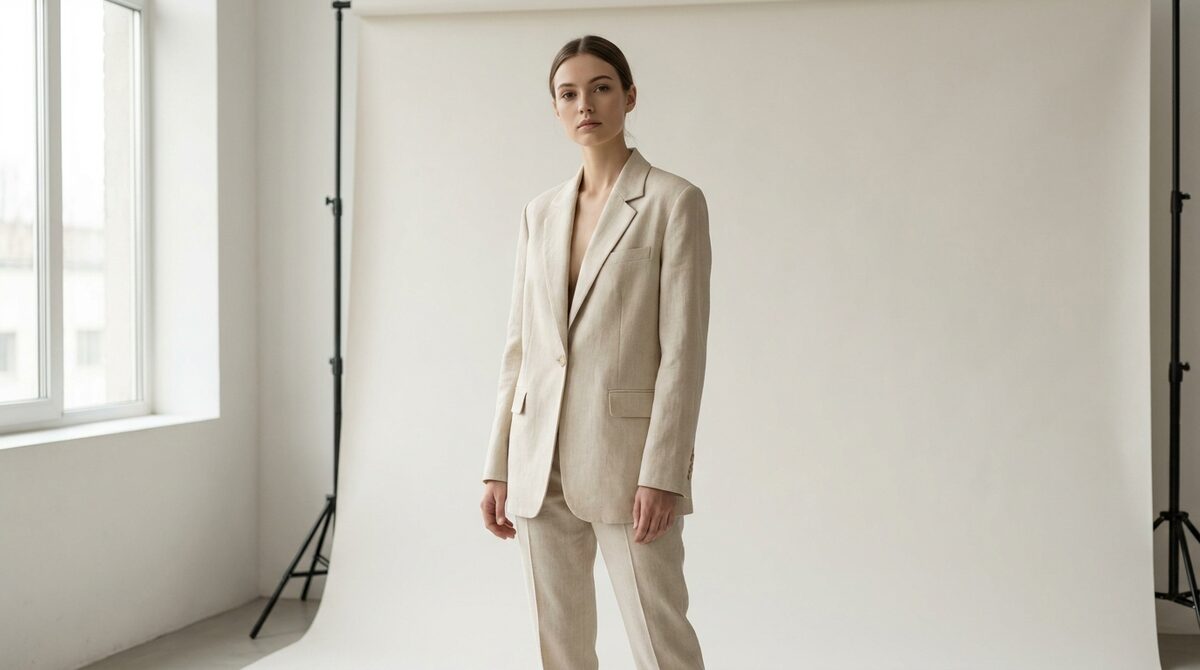
On model photography is the photo type that actually sells clothes: it shows fit, drape and scale on a real body. But the studio version is slow and expensive. AI on-model imagery and virtual try-on now deliver the same trust signal from your existing product photos, and 1Match turns every try-on into a growth engine that captures first-party leads, feeds funnel analytics, and stays zero-storage / GDPR-safe.
Why on model photography still wins
Shoppers cannot feel fabric or check a mirror online, so the primary image has to do the persuading. On model photography answers the questions a flat-lay never can: How long is this dress? Does the shoulder sit right? How does it move on a body? That is why on-model hero shots consistently out-convert ghost-mannequin and flat-lay images for apparel. Until the parcel arrives, the image is the fitting room, and shoppers make a keep-or-return decision in their heads before they ever click buy.
There is a psychology to it as well. A garment on a body signals scale and context in a way a floating product never can, and it lets a shopper mentally place themselves in the piece. When that mental fitting matches reality on delivery, the item stays. When it does not, it comes back. On model photography is the first lever you have over that match.
The hidden cost of a traditional on-model shoot
A conventional on model photography session means booking a studio, casting models, hiring a photographer and stylist, then waiting days or weeks for edited files. Every new colourway, size range or seasonal drop restarts the meter. For a fast-moving Shopify catalog, that cadence is the bottleneck between having stock and being able to sell it well. Worse, the cost structure pushes brands toward a single model on a single body type, which quietly tells a large share of shoppers that the clothes are not really for them.
How AI changes on model photography
AI on-model tools map a garment straight from your existing product photos onto a realistic model, with strong image quality and correct draping, no 3D and no reshoot. You can generate multiple body types, poses and backgrounds from one source image in minutes instead of weeks. It is the difference between running a photoshoot and running a photo pipeline: instead of scheduling production, you generate exactly the variations a product page needs, on demand. For a full breakdown of the underlying tech, see our guide to how an AI clothes changer works.
The practical workflow most stores land on is a blend. Shoot a small number of hero looks live for brand storytelling, then use AI to expand the catalog long tail: extra colours, additional angles and a diverse set of bodies. You keep the soul of a real shoot while removing the repetitive, cash-hungry part.
On-model images plus virtual try-on
On model photography shows the garment on a model. Virtual try-on shows it on the shopper. Together they close the confidence gap that drives apparel returns, since roughly 70 percent of returns come from fit and size uncertainty. Stores that add try-on typically see an 18 to 28 percent lift in add-to-cart and 25 to 40 percent fewer returns. Our complete guide to virtual try-on for fashion stores walks through the setup step by step.
The growth-engine angle most stores miss
Here is what most stores overlook: on model photography is a cost, but try-on is an asset. Every try-on with 1Match can capture a first-party lead and log intent into funnel analytics so you see which products get tried, which convert, and where shoppers drop off. That is a genuine growth engine rather than a decorative widget. It is fashion-first and works across hands, face and body, so rings, glasses and hats are covered from the same flow, all zero-storage and GDPR-safe because shopper photos are never retained.
Bottom line: keep on model photography where it earns its keep, but stop treating the studio as the only path. AI imagery plus a virtual try-on turns your product page into a Shopify growth engine, with native lead capture and funnel analytics and a 10-minute setup. You can enable it with 1Match.
Frequently asked questions
What is on model photography?
On model photography means photographing garments on a real or AI-generated human model rather than laid flat or on a mannequin. It shows fit, drape and scale, which helps shoppers judge how a piece will actually look when worn. It is the single most important photo type for converting apparel browsers into buyers.
Is on model photography better than flat-lay?
For apparel, usually yes. Flat-lays are cheap and clean but hide fit and movement, while on model photography shows proportion and styling in context. Most stores use flat-lays for detail shots and on-model images as the primary hero, because the on-model view is what shoppers trust before buying.
Can AI replace a traditional on model photoshoot?
AI can replace much of it. Tools now render your existing garment photos onto realistic models with no studio, casting or reshoot, which slashes cost and turnaround. For the highest-stakes hero images many brands still shoot a hero look, then use AI to expand size, pose and diversity variations.
How does on model photography reduce returns?
It sets accurate expectations. When shoppers see how a garment sits on a body, they are less likely to be surprised on delivery, and fit-related returns fall. Pairing on-model imagery with a virtual try-on that shows the item on the shopper themselves pushes that effect further, with stores commonly reporting 25 to 40 percent fewer apparel returns.
 Install on Shopify