
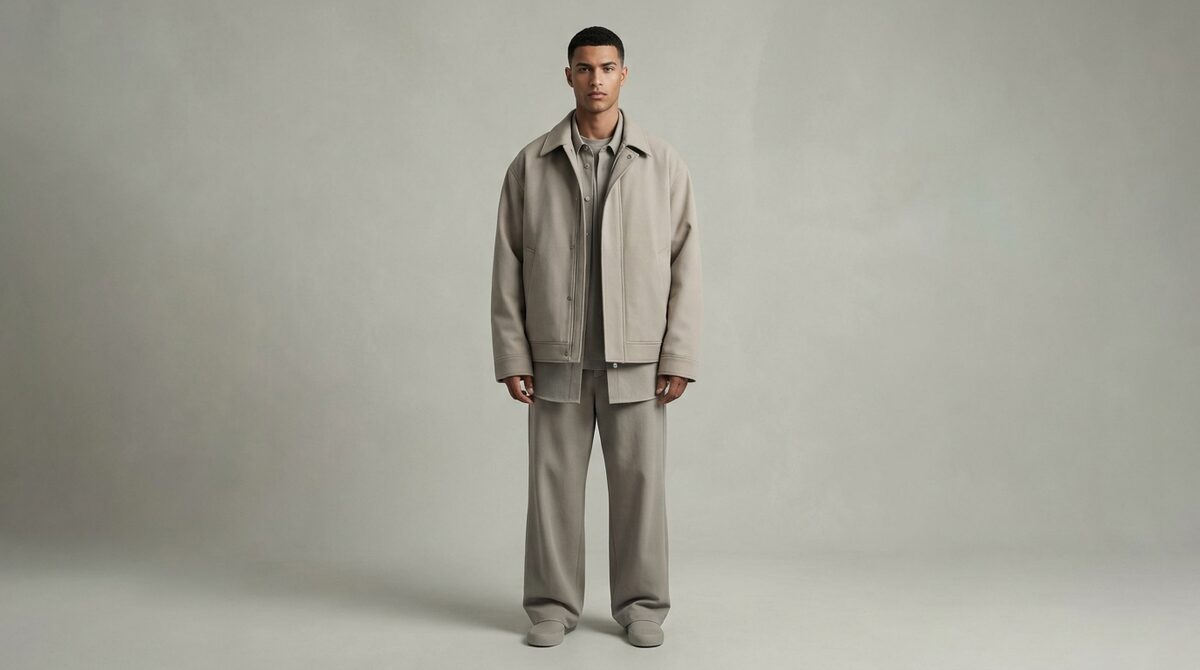
Virtual models for clothes render your garments on realistic digital people, turning a handful of product photos into a full model roster with no studio. Pair the imagery with a virtual try-on and 1Match powers a growth engine that captures first-party leads, feeds funnel analytics, and stays zero-storage / GDPR-safe.
What virtual models for clothes do
Virtual models for clothes take garment photos you already have and render them onto realistic, generated humans, with strong image quality, correct draping and no 3D. From one source image you get many body types, poses and backgrounds, which makes diverse, on-brand imagery practical for stores that could never book that many models. The roster you build is effectively unlimited, and it never ages out of a contract or a usage window. Merchants comparing vendors usually end up in our roundup of try-on platforms, which lists what each one costs to run.
Top tools for virtual models for clothes
1. Botika
Generates AI on-model imagery for ecommerce catalogs.
Pros: Shopify-friendly, good model variety, catalog focus.
Cons: Produces marketing imagery only, not shopper try-on or lead capture.
Verdict: Solid for scaling on-model product images.
2. ZMO.ai
Creates virtual models and backgrounds for product photography.
Pros: Diverse models, background generation, quick turnaround.
Cons: Focused on imagery rather than on-body shopper try-on.
Verdict: Useful for filling a catalog with varied looks.
3. FASHN
An AI try-on and rendering tool for fashion.
Pros: Realistic garment rendering, flexible, developer-friendly.
Cons: More building block than turnkey widget for some setups.
Verdict: Good for teams wanting pipeline control.
4. 1Match
A virtual try-on Shopify app that shows clothes on the shopper and captures leads.
Pros: Shopper-facing try-on, native lead capture, funnel analytics, zero-storage, 10-minute setup, covers hands, face and body.
Cons: Focused on conversion rather than standalone marketing imagery.
Verdict: The conversion layer that turns model imagery into sales and data.
| Tool | Main job | Shopper try-on | Lead capture |
|---|---|---|---|
| Botika | AI model imagery | No | No |
| ZMO.ai | AI model imagery | No | No |
| FASHN | Try-on / rendering | Partial | No |
| 1Match | Virtual try-on | Yes | Yes |
Imagery vs conversion
Virtual models for clothes solve imagery; they do not remove the fit uncertainty behind roughly 70 percent of apparel returns. A virtual try-on does, delivering 25 to 40 percent fewer returns and an 18 to 28 percent add-to-cart lift. That is why the most effective stacks pair a generation tool with a try-on app rather than choosing one. Compare options in our best virtual try-on apps for Shopify fashion roundup.
The growth-engine angle
With 1Match, every try-on captures a first-party lead and feeds funnel analytics, all zero-storage and GDPR-safe. Our complete guide to virtual try-on ties it together.
Bottom line: use virtual models for clothes to make imagery, and a try-on to make sales, turning your Shopify store into a growth engine with native leads and funnel analytics. Start with 1Match.
Frequently asked questions
What are virtual models for clothes?
Virtual models for clothes are realistic, AI-generated humans used to display garments without a studio shoot. Your existing product photos are rendered onto the virtual models with accurate drape and strong image quality. They let brands produce diverse on-model imagery instantly and at low cost.
Which tools create virtual models for clothes?
Popular options include Botika, ZMO.ai and FASHN for generating on-model imagery, plus try-on apps like 1Match for showing clothes on the actual shopper. Imagery tools build interest, while try-on drives fit confidence and captures leads. Many stores use one of each.
Are virtual models for clothes worth it?
For catalog scale they are, because they remove studio, casting and reshoot costs while enabling diverse body types. Live shoots still matter for signature campaigns. The common approach is a small live shoot plus virtual models for the long tail.
Do virtual models for clothes reduce returns?
Indirectly through clearer imagery, and directly when paired with try-on. Fit issues cause around 70 percent of apparel returns, and a virtual try-on that shows garments on the shopper typically cuts returns 25 to 40 percent while lifting add-to-cart.
 Install on Shopify